What is AI? Understanding Artificial Intelligence
Artificial Intelligence (AI) is rapidly transforming our world, but what exactly *is* it? Simply put, AI refers to the simulation of human intelligence processes by computer systems. These processes include learning, reasoning, and self-correction. AI isnt a single technology, but rather a broad field encompassing various techniques to enable machines to mimic human behavior.
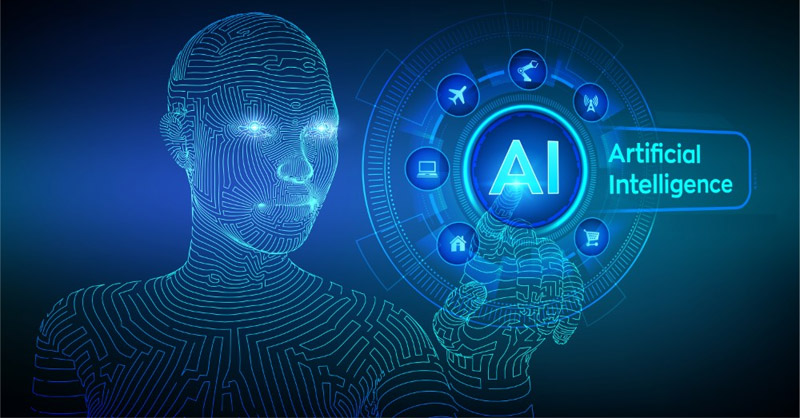
Types of Artificial Intelligence
There are several categories of AI, often categorized based on their capabilities:
- Narrow or Weak AI: This type of AI is designed and trained for a specific task. Examples include image recognition, spam filtering, and virtual assistants like Siri or Alexa. Most AI we use today falls into this category.
- General or Strong AI: This is the theoretical concept of AI that possesses human-level intelligence. A strong AI could understand, learn, adapt, and implement knowledge across a broad range of tasks, just like a human. This type of AI doesn’t currently exist.
- Super AI: An even more theoretical concept AI that surpasses human intelligence in all aspects, including creativity, problem-solving, and general wisdom.
How is AI Used Today?
AI is already deeply integrated into our daily lives. Here are just a few examples:
- Healthcare: AI assists in medical diagnosis, drug discovery, and personalized treatment plans. IBM provides insights into AI’s role in healthcare.
- Finance: AI is used for fraud detection, algorithmic trading, and risk management. Learn more from Intel about AI in finance.
- Transportation: Self-driving cars and optimized traffic management systems rely heavily on AI. Nvidia has extensive information on autonomous vehicles.
- Marketing: AI powers targeted advertising, personalized recommendations, and customer service chatbots.
The Future of AI
The development of AI is continuing at a rapid pace. As AI technology advances, we can expect even more significant impacts on society. From automating tasks and improving efficiency to transforming industries and solving complex problems, the potential of AI is vast. However, it’s also important to consider the ethical implications of AI and ensure its responsible development and deployment.
Ready to learn more about AI and its potential? Explore our detailed guide to Machine Learning!
Để lại một bình luận